
Elcomsoft Phone Breaker 11 Restores iCloud Access
April 30th, 2026 by Oleg AfoninExtracting cloud data becomes increasingly valuable – and increasingly complex at the same time. In scenarios where a target device is physically unavailable cloud extraction is often the only real way to access evidence. This is particularly relevant when devices are secured by an unknown passcode or locked under Apple’s Stolen Device Protection framework without available biometric authentication, rendering traditional extraction techniques ineffective.
New Security Features and Low-Level Extraction of iOS 26
April 29th, 2026 by Oleg AfoninWe updated iOS Forensic Toolkit, adding low-level extraction support for iOS 26 and 26.0.1 via the extraction agent. This support is available for most iPhones and iPads compatible with the iOS 26 branch with a notable exception of the iPhone 17 range and M5-based iPads. Why exactly are these devices exempt, and what else did Apple do to make iOS 26 tougher and more resistant? Let’s find out.
Digital Triage Masterclass
April 28th, 2026 by Oleg AfoninFor decades, the forensic “gold standard” was straightforward: isolate the machine, pull the plug, and image the drive. In that era, what you saw on the screen was exactly what you would extract, bit by bit, from the magnetic platters. Today, that assumption is outdated, and is actively detrimental to an investigation. The digital forensics landscape is shifting too fast, and traditional “dead-box” methods cannot keep up with modern realities. As investigations face a crisis of scale, with terabytes of data spread across dozens of seized devices, the old “image everything, analyze later” approach has created massive backlogs that let critical leads go cold.
Recovering Windows Credentials with Elcomsoft System Recovery
April 23rd, 2026 by Oleg AfoninIn traditional forensic workflows, gaining access to a Windows system was a straightforward exercise: extract the NT hashes from a local database and run a fast (very fast!) offline attack. Today, Windows authentication is moving away from those essentially insecure NTLM hashes toward more resilient mechanisms. Microsoft is actively steering users away from local Windows accounts, pushing them toward cloud-integrated identities (such as the Microsoft Account) and hardware-backed security models (like Windows Hello).
Low-Level Extraction for M-Series iPads
April 21st, 2026 by Oleg AfoninWith the release of iOS Forensic Toolkit 10.01, we are extending low-level extraction capabilities to Apple tablets running up to iPadOS 18.7.1. This update brings our extraction agent to the latest hardware, supporting not just A-series but also M-series iPads. We have also implemented support for the distinct memory layout found in high-end 1TB and 2TB iPad Pro models equipped with 16GB of RAM, which required a targeted engineering approach to handle the structural differences.
Low-Level Extraction for iOS 17 and 18
April 14th, 2026 by Oleg AfoninWe’ve just updated iOS Forensic Toolkit to version 10.0, significantly expanding its low-level extraction capabilities for both the extraction agent and bootloader-based methods. Previously, agent-based extraction was capped at iOS 16.6.1. This release finally covers the remainder of the iOS 16 branch, and adds support for the entire iOS 17 branch as well as iOS 18 through 18.7.1. We have also expanded checkm8 support to cover all the latest OS updates pushed by Apple on devices susceptible to the exploit. Finally, we improved extended logical acquisition support for iOS/iPadOS 26, now pulling significantly more shared data than before.
Compelled Decryption: The East Asian Region
April 3rd, 2026 by Oleg AfoninThis piece marks the third installment in our ongoing series analyzing compelled decryption laws. As digital evidence continues to play a central role in modern investigations, legal systems worldwide are actively addressing the friction between encrypted devices and law enforcement access. For this chapter, our geographic focus shifts to East Asia. The region provides a highly practical comparative landscape for observing how neighboring jurisdictions weigh the technical demands of modern forensics against individual procedural rights. To map these diverse approaches, the following sections review the current legal mechanisms in mainland China, Hong Kong, Taiwan, Japan, and South Korea.
Digital Rights vs. State Power – The Protectors
April 1st, 2026 by Oleg AfoninThe first part of this series examined jurisdictions that have adopted a coercive approach to cryptographic barriers. Nations such as the United Kingdom, Australia, and France navigate the practical hurdles of end-to-end encryption through statutory workarounds. Rather than attempting to break the encryption itself, these legal systems apply pressure directly to the device owner – even if the owner is the suspect. By treating the refusal to provide decryption keys or passwords as a standalone criminal offense, they effectively bypass the technical roadblock. Under this model, non-compliance triggers its own set of penalties, entirely separate from the underlying investigation.

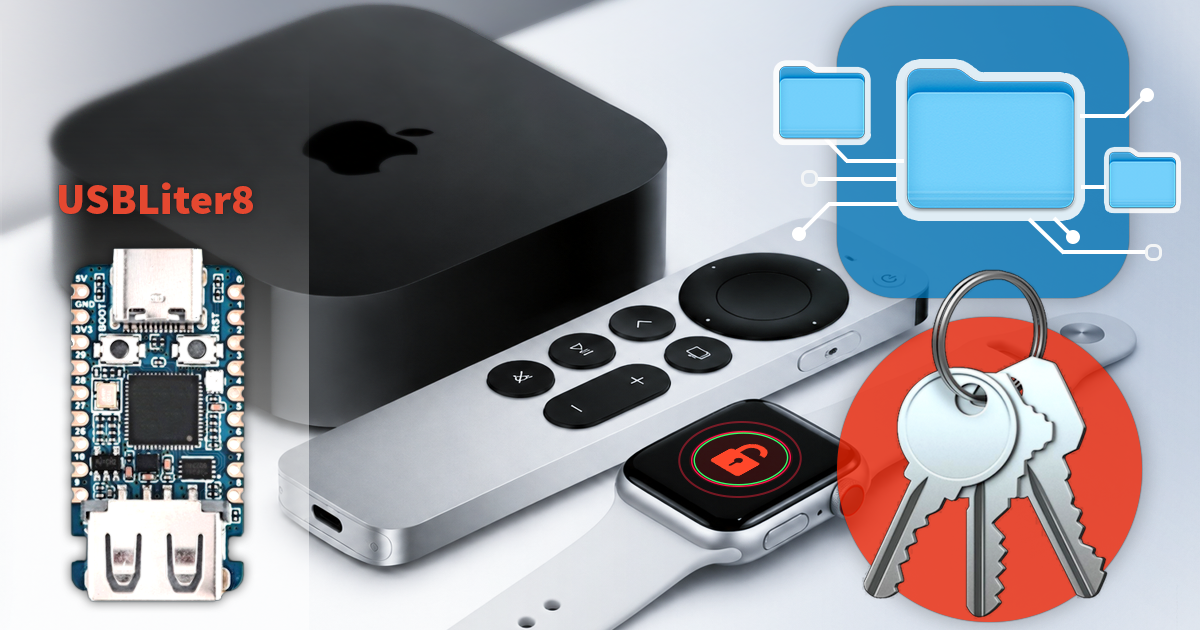
- iOS Forensic Toolkit 10.11: bootloader extraction for Apple Watch Series 4 and 5, Apple TV 4K 2nd Gen21 September, 2026
- Elcomsoft Quick Triage 2.2 adds a timeline, a plugin system, and file system snapshots3 September, 2026
- Elcomsoft System Recovery 8.38: Built-In BitLocker TPM Exploit Library, Browser Artefact Extraction, and Imaging Checksums26 August, 2026
- EIFT Firewall: a new free tool for controlled agent sideloading3 August, 2026
- Elcomsoft Phone Breaker 11.04: more reliable downloads from iCloud Drive30 July, 2026