
Password Managers: Security, Risks, and Forensic Implications
November 18th, 2025 by Oleg AfoninPassword managers have become a common part of everyday digital life, helping users handle hundreds of online accounts. They simplify authentication and reduce the need to remember complex credentials, yet the same centralization that makes them convenient also concentrates risk. Modern platforms from Apple, Google and Microsoft all ship with built-in password managers, and many users rely on third-party apps for the same purpose.
Breaking into Password Managers: from Bitwarden to Zoho Vault
September 30th, 2025 by Oleg AfoninThe latest update to Elcomsoft Distributed Password Recovery added eight additional password management tools to the list of supported data formats. The software can now attack master passwords protecting databases from Bitwarden, Dropbox Passwords, Enpass, Kaspersky, Keeper, Roboform, Sticky Password, and Zoho Vault password managers. Let’s talk about password managers – and how to handle them in a forensic lab.
Password Reuse vs. Master Password: Two Sides of Password Managers
April 2nd, 2020 by Oleg AfoninPassword managers or password reuse? This is the question faced by most consumers. Reusing a password or its minor variations for different accounts has never been a good idea, yet in today’s world of online everything the rate of password reuse reaches astonishing values. Using a password manager helps reduce password reuse, supposedly offering increased security. In this article, we’ll perform forensic analysis of some of the most common password managers.
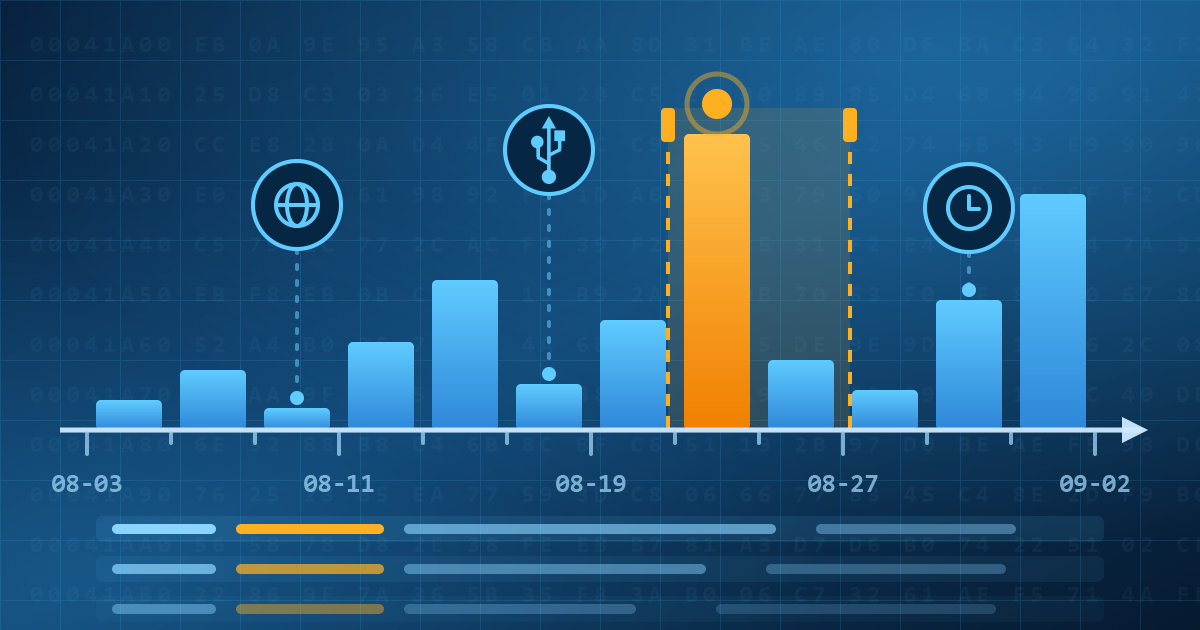

- Elcomsoft Quick Triage 2.2 adds a timeline, a plugin system, and file system snapshots3 September, 2026
- Elcomsoft System Recovery 8.38: Built-In BitLocker TPM Exploit Library, Browser Artefact Extraction, and Imaging Checksums26 August, 2026
- EIFT Firewall: a new free tool for controlled agent sideloading3 August, 2026
- Elcomsoft Phone Breaker 11.04: more reliable downloads from iCloud Drive30 July, 2026
- Elcomsoft Phone Breaker 11.03: universal binary for Macs, SMS two-factor authentication restored16 July, 2026