
Two-factor authentication is the least glamorous security feature, and probably the most important one. A password is “something you know”, which really means “something that can be phished, reused, leaked, or guessed”. The second factor is “something you have”, and, while it can still be phished, it makes stolen passwords much less of a catastrophe they used to be. Everything else in account security is built on top of that. If the second factor is not there, or if it does not cover the data that actually matters, the rest is decoration.

A12 usbliter8 BootROM sigpatches
July 15th, 2026 by Elcomsoft R&DBootROM exploits are an important part of modern low-level forensic acquisition, and our Elcomsoft iOS Forensic Toolkit is no stranger to it. It allows getting code execution at the earliest stage on the device and lets us then load custom software for data decryption and extraction. It has been almost 7 years since the last major BootROM exploit called checkm8 was released, which exploits Apple chips up to A11 (iPhone 8 / iPhone X).
Most people meet these four tools one product page at a time, which makes them look like four separate purchases for four separate problems. On a real desktop case they are closer to four stages of a single job. Each one hands its output to the next: Elcomsoft System Recovery and Elcomsoft Quick Triage pull the raw material off the machine, Forensic Disk Decryptor turns keys into mounted volumes, and Distributed Password Recovery grinds through whatever is left. In this article we will not go through the feature lists (the product pages do that job well enough); instead we will look at when to reach for each tool, and why the order in which you use them is not fixed but decided by the situation in front of you.
How to Buy a Reliable SSD, Continued
July 2nd, 2026 by Oleg AfoninOver at the Atola blog, Vitaliy Mokosiy published How to buy a reliable SSD – and none of it is wrong. That’s the problem. Read it back and it boils down to buy a good drive, don’t buy a bad one, and make backups. Every line is true and every line is the line an AI would hand you from a one-sentence prompt.

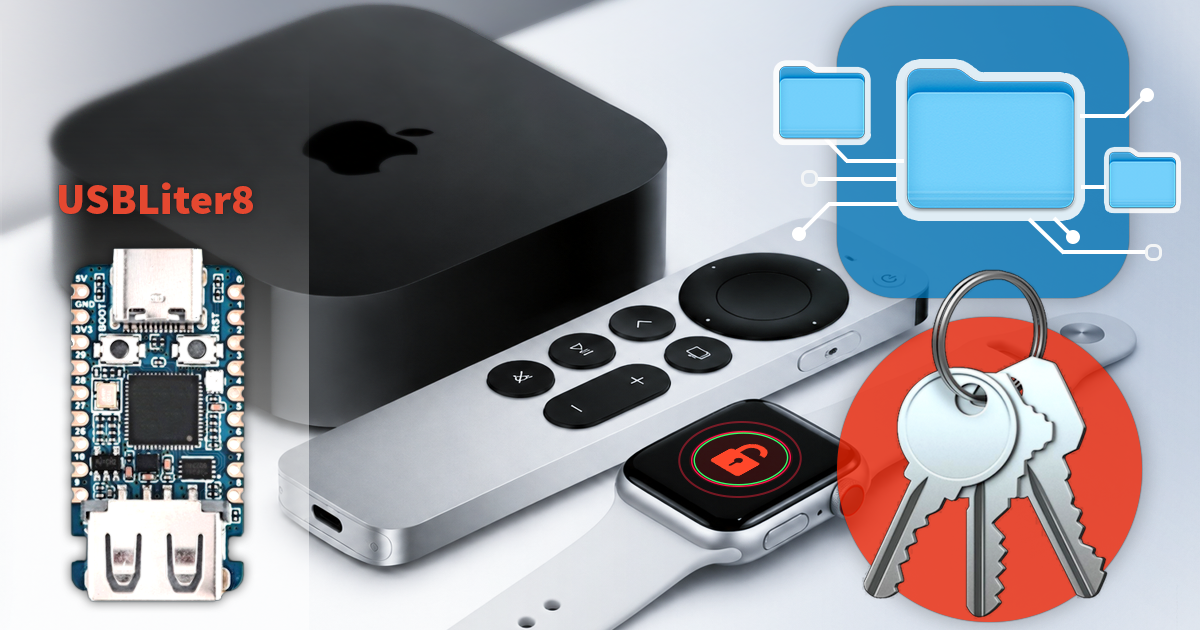
- iOS Forensic Toolkit 10.11: bootloader extraction for Apple Watch Series 4 and 5, Apple TV 4K 2nd Gen21 September, 2026
- Elcomsoft Quick Triage 2.2 adds a timeline, a plugin system, and file system snapshots3 September, 2026
- Elcomsoft System Recovery 8.38: Built-In BitLocker TPM Exploit Library, Browser Artefact Extraction, and Imaging Checksums26 August, 2026
- EIFT Firewall: a new free tool for controlled agent sideloading3 August, 2026
- Elcomsoft Phone Breaker 11.04: more reliable downloads from iCloud Drive30 July, 2026