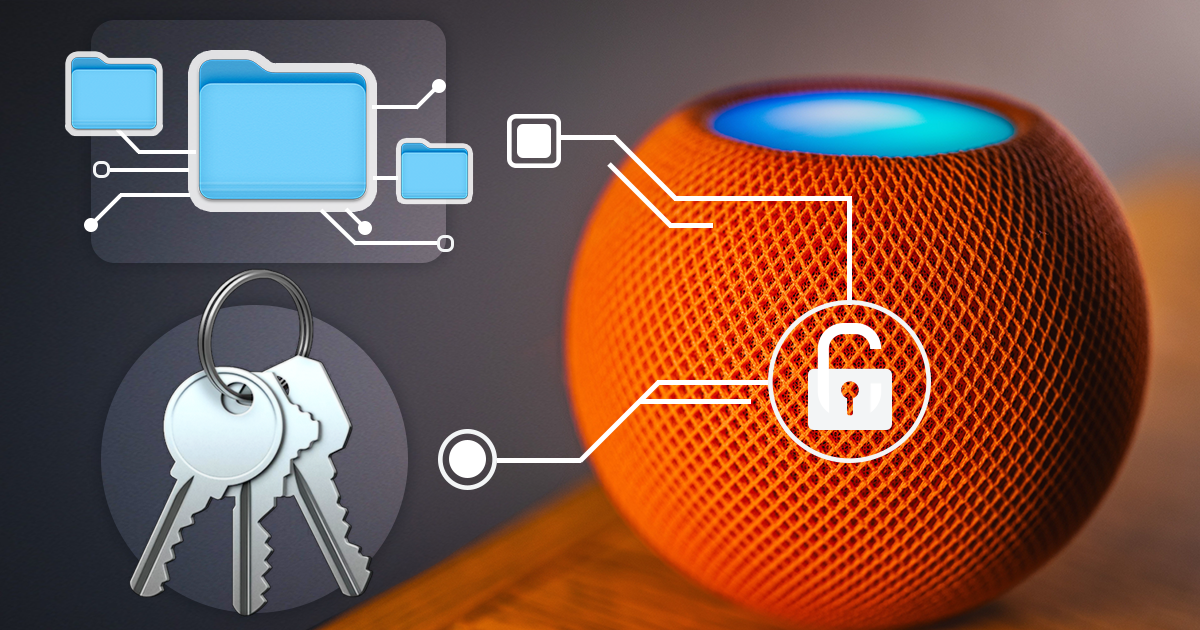
Low-Level Extraction of the HomePod mini
October 9th, 2026 by Vladimir Katalov
iOS Forensic Toolkit 10.12 extracts the full file system image and the decrypted keychain from yet another IoT device: Apple HomePod mini. This is the first file system extraction of the device; the method uses the usbliter8 bootloader exploit and a custom adapter. This guide covers the hardware, the extraction and analysis steps.
Fingerprint Unlock Security: iOS vs. Google Android (Part II)
June 20th, 2016 by Oleg Afonin
Fingerprint Unlock Security: Google Android and Microsoft Hello
Elcomsoft System Recovery UEFI Support
June 16th, 2016 by Oleg Afonin
As you may already know, we’ve released an update to Elcomsoft System Recovery, a tool allowing to reset or recover Windows and Microsoft Account passwords by booting from an external USB drive. The new build allows creating bootable USB drives for devices exclusively relying on UEFI bootloaders. Why was this change needed? Read below for an answer!
Breaking BitLocker Encryption: Brute Forcing the Backdoor (Part I)
June 8th, 2016 by Vladimir Katalov
Investigators start seeing BitLocker encrypted volumes more and more often, yet computer users themselves may be genuinely unaware of the fact they’ve been encrypting their disk all along. How can you break into BitLocker encryption? Do you have to brute-force the password, or is there a quick hack to exploit?
Fingerprint Unlock Security: iOS vs. Google Android (Part I)
June 6th, 2016 by Oleg Afonin
Biometric approach to unlocking portable electronics has been on the rise since late 2013 when Apple released iPhone 5S. Ever since, manufacturers started adding fingerprint scanners to their devices. In the world of Android, this was frequently done without paying much (if any) attention to actual security. So how do these systems compare?
Dealing with a Locked iPhone
April 15th, 2016 by Oleg Afonin
So you’ve got an iPhone, and it’s locked, and you don’t know the passcode. This situation is so common, and the market has so many solutions and “solutions” that we felt a short walkthrough is necessary.
Apple Two-Factor Authentication vs. Two-Step Verification
April 1st, 2016 by Oleg Afonin
Two-step verification and two-factor authentication both aim to help users secure their Apple ID, adding a secondary authentication factor to strengthen security. While Apple ID and password are “something you know”, two-step verification (and two-factor authentication) are both based on “something you have”.
BitLocker: What’s New in Windows 10 November Update, And How To Break It
March 29th, 2016 by Oleg Afonin
BitLocker is a popular full-disk encryption scheme employed in all versions of Windows (but not in every edition) since Windows Vista. BitLocker is used to protect stationary and removable volumes against outside attacks. Since Windows 8, BitLocker is activated by default on compatible devices if the administrative account logs in with Microsoft Account credentials. BitLocker protection is extremely robust, becoming a real roadblock for digital forensics.
Smartphone Encryption: Why Only 10 Per Cent of Android Smartphones Are Encrypted
March 21st, 2016 by Oleg Afonin
“Had San Bernardino shooter Syed Rizwan Farook used an Android phone, investigators would have had a better chance at accessing the data”, says Jack Nicas in his article in The Wall Street Journal. Indeed, the stats suggest that only 10 per cent of the world’s 1.4 billion Android phones are encrypted, compared with 95 per cent of Apple’s iPhones. Of those encrypted, a major number are using Nexus smartphones that have encryption enforced by default.


