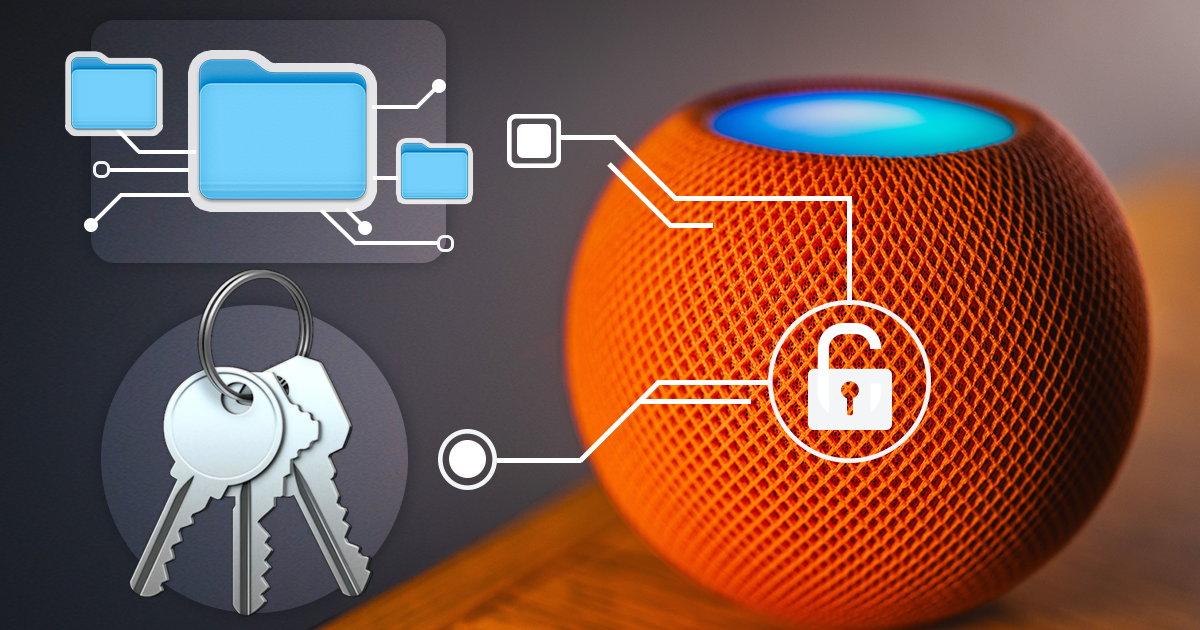
Low-Level Extraction of the HomePod mini
October 9th, 2026 by Vladimir Katalov
iOS Forensic Toolkit 10.12 extracts the full file system image and the decrypted keychain from yet another IoT device: Apple HomePod mini. This is the first file system extraction of the device; the method uses the usbliter8 bootloader exploit and a custom adapter. This guide covers the hardware, the extraction and analysis steps.
Elcomsoft Wireless Security Auditor Video Tutorial
April 30th, 2015 by Olga Koksharova
I know most computer gurus and pros never read through program manuals or help files and prefer to learn everything using proverbial method of trial and error. Does this sound like you? Of course. Exceptions are very seldom. So, here’s something nice that will save your time and help your experience with Elcomsoft Wireless Security Auditor (EWSA).
Sanderson SQLite Forensic Toolkit on a Mac OS X using CrossOver
March 5th, 2015 by Shafik Punja
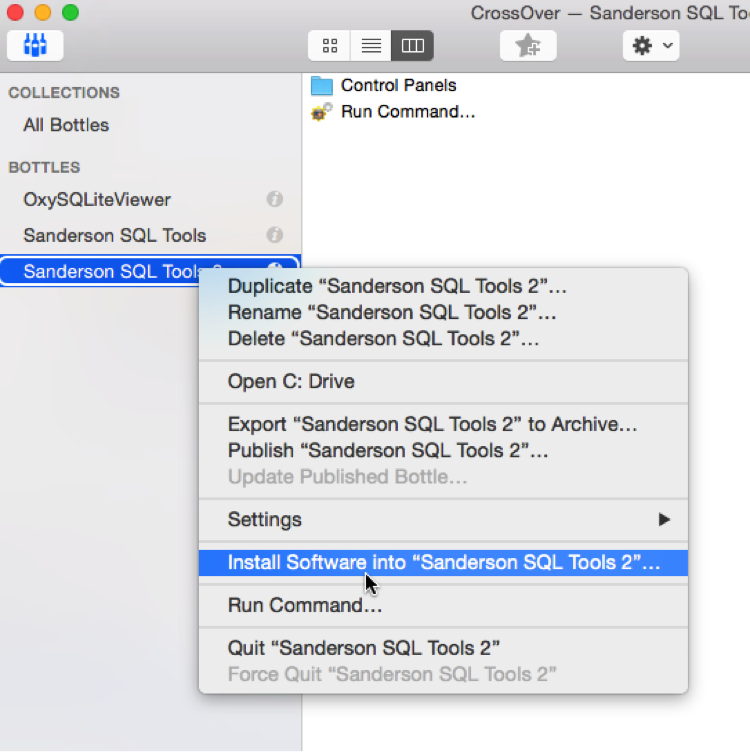
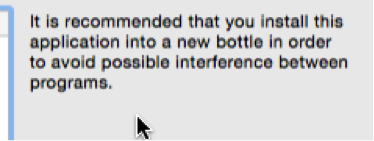
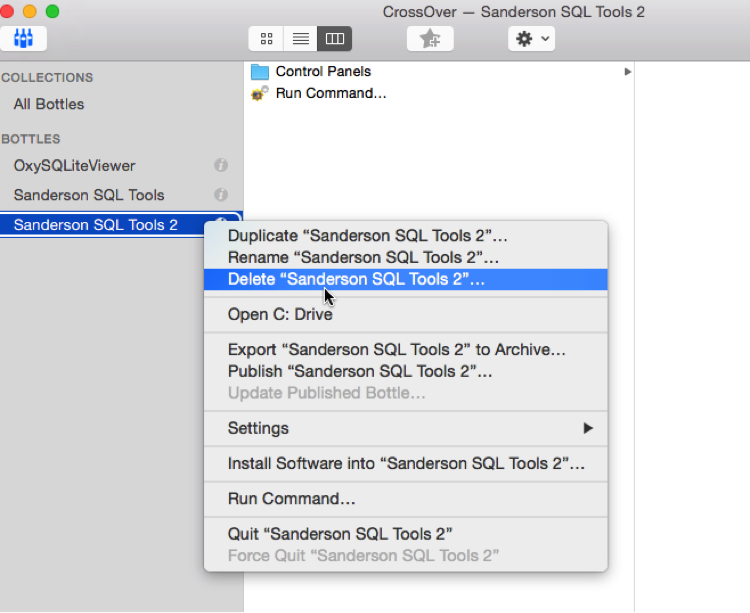
a. But if you are going to install more than application into the same bottle, be mindful of the recommendation by CO, that it is recommended that each application be in its own bottle in order to avoid any conflict between programs. Please be aware that there is more than one method by which to install applications. Essentially you can have each in its own bottle or group them into bottles of a common theme (being aware of the recommendation not to do this).
Considerations/Thoughts
Elcomsoft Distributed Password Recovery Video Tutorial
February 26th, 2015 by Olga Koksharova
Anyone considering the possibility to purchase Elcomsoft Distributed Password Recovery has a wonderful opportunity to explore the program together with Sethioz and get a clearer understanding of how the program works and what requires your special attention when you are using EDPR. This video assumes you are already familiar with basics of password cracking and suggests more information for your convenient work with the tool.
Cracking Wi-Fi Passwords with Sethioz
February 18th, 2015 by Olga Koksharova
If you care about password cracking, hardware acceleration or Wi-Fi protection this interview with our friend Sethioz is certainly for you. Being currently a freelance security tester Sethioz kindly shared his experience in cracking passwords using video cards, which in its turn derived from his gaming interest in cards. His personal experience may be very helpful to those whose concern about password cracking is not trivial.
How Secure Is Your Password? A Friendly Advice from a Company That Breaks Passwords
February 1st, 2015 by Vladimir Katalov
How many passwords does an average Joe or Jane has to remember? Obviously, it’s not just one or two. Security requirements vary among online services, accounts and applications, allowing (or disallowing) certain passwords. Seven years ago, Microsoft determined in a study that an average user had 6.5 Web passwords, each of which is shared across about four different websites. They’ve also determined that, back then, each user had about 25 accounts that required passwords, and typed an average of 8 passwords per day.