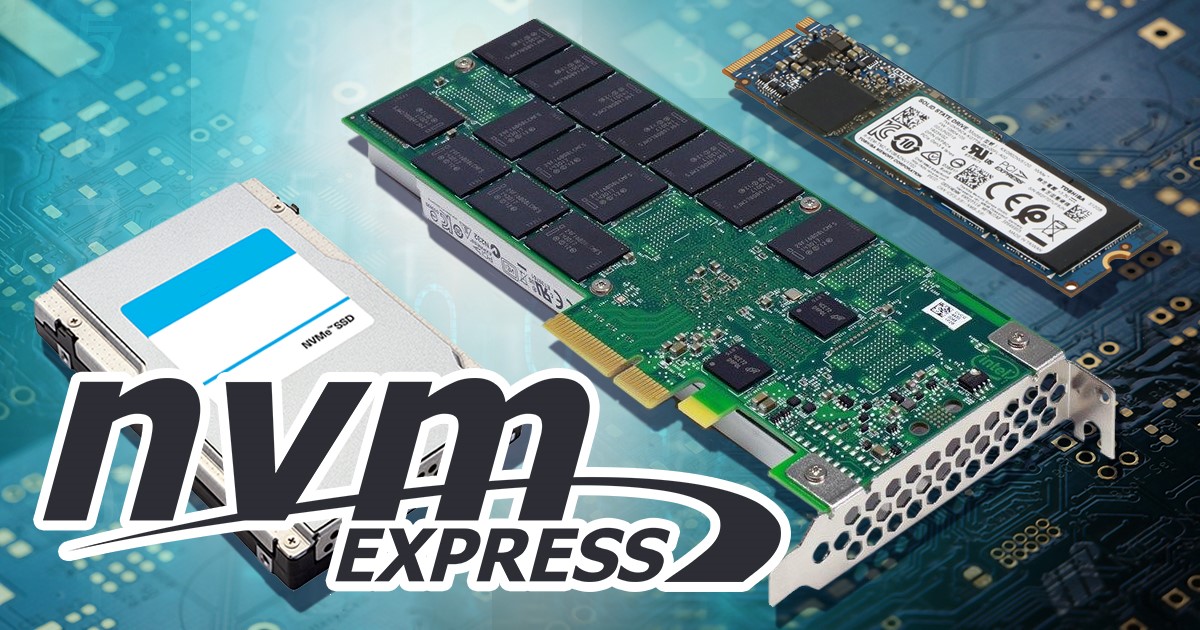
Looks Can Lie: Is That Really an NVMe Drive?
March 17th, 2026 by Oleg Afonin
Many storage devices and adapter boards look alike. When holding a module with a connector that looks suspiciously like the M.2, how do you know exactly what you are dealing with? Is that M.2 board a SATA drive, a fast NVMe device or a Wi-Fi/Bluetooth combo? Will a drive removed from an Apple computer work in a simple mechanical adapter, or will it require the original Apple device to access? A physical connector does not guarantee the underlying technology.
Elcomsoft iPhone Password Breaker
May 7th, 2010 by Andrey Belenko
Last week we have released our new product, EPPB, out of beta. We have fixed some bugs, polished GPU acceleration support, added support for Tableau TACC1441 hardware accelerator, making this program the world's first program capable of utilizing computing power of GPUs both from ATI and NVIDIA as well as dedicated hardware accelerators aimed primarily on computer forensics specialists. We have also included ability to run brute-force attacks and not only wordlist-based attacks. Latter were improved with ability to enable/disable individual types of password mutations and set customized level to any of them.
ElcomSoft at EuroForensics 2010 in Turkey
April 2nd, 2010 by Alexandra Tsybulskaya
Hurrying to inform you about our adventures in one of the most beautiful cities of Euro-Asian region, Istanbul. This March we were lucky to have a chance of participating in a big forensics and security focused international event in Turkey, namely EuroForensics 2010, thanks to our Turkish partners Forensic People, organizers & hosts of the event.
ATI and NVIDIA: Making Friends out of Enemies
March 12th, 2010 by Andrey Belenko
There had been a long standing competition between NVIDIA and ATI which has lasted for years now. And there is no winner so far — just like with Windows vs. Linux or PC vs. Mac debate there are ones who prefer the former and others who prefer the latter. Kind of «religious» issue.
New password-cracking hardware
February 19th, 2010 by Vladimir Katalov
Some time ago we wrote about the smallest password cracking device. Not suitable for you? No problem, here is another one: not as small, but definitely more powerfull: Audi. Yes, it's a car. No, we're not kidding. Just read NVIDIA and Audi Marry Silicon Valley Technology with German Engineering press release from NVIDIA. Or if you need more information, The New MMI Generation from Audi might be also helpful. In brief: Audi A8 luxury sedan is equipped with an entertainment system that uses two GPUs from NVIDIA. We have no idea what are these chips (may be Fermi?) and is it technically possible to load our own code to them, but still funny, isn't it? 🙂
iPhone/iPod Backup Password Recovery
February 4th, 2010 by Andrey Belenko
Today we are pleased to unveil the first public beta of our new product, Elcomsoft iPhone Password Breaker, a tool designed to address password recovery of password-protected iPhone and iPod Touch backups made with iTunes.
It was Data Privacy Day… our warmest congratulations!
January 29th, 2010 by Olga Koksharova
ElcomSoft always have yet another pair of eyes for your privacy… 🙂
123 Out Goes… Your Password
January 22nd, 2010 by Katerina Korolkova, Direktur Humas
About a month ago, a SQL Injection flaw was found in the database of RockYou.com, a website dealing with social networking applications. The Tech Herald reports that 32.6 million passwords were exposed and posted online due to the flaw. The complete examination of the passwords from the list showed that the passwords in question are not only short as RockYou.com allows creating 5-character-passwords but also alphanumeric only.
The 5th China Computer Forensics Conference
December 17th, 2009 by Olga Koksharova
So, they are back from CCFC (Beijing) where Vladimir, Andrew, and Dmitry made their speeches and listened to those given by other reps. Here is a follow-up of the conference with nice shots kindly taken by a keen “shooter” Dmitry Sklyarov 😉 But first of all, we’d like to thank Sprite Guo for taking care of all preparations and perfect managing throughout the whole conference – our BIG thank you!


