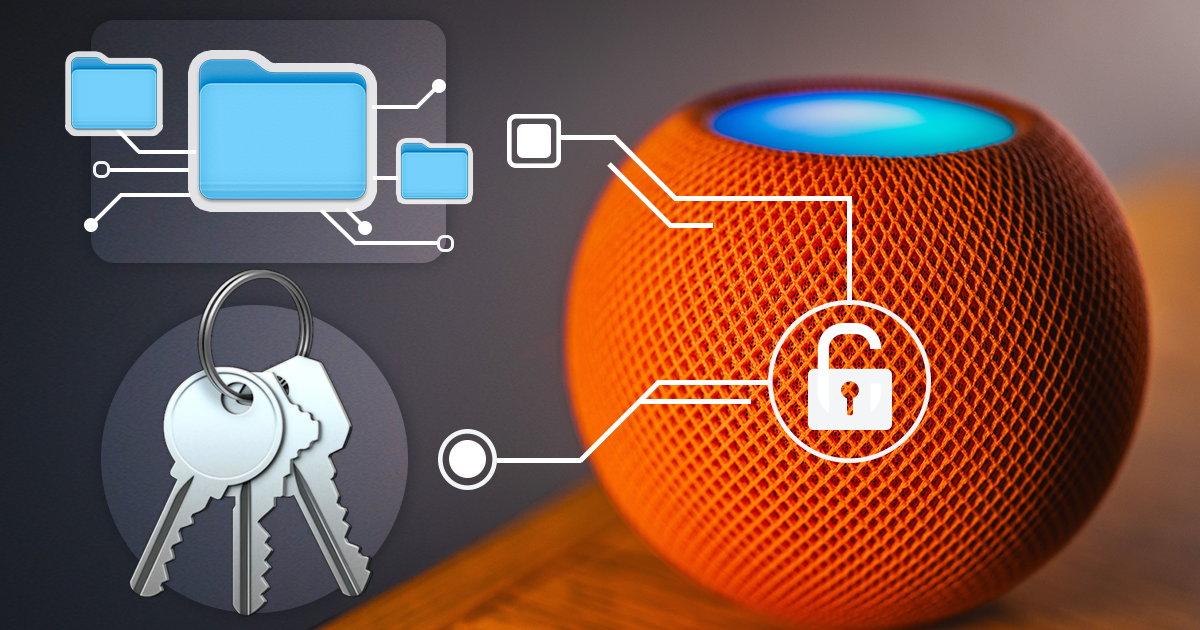
Low-Level Extraction of the HomePod mini
October 9th, 2026 by Vladimir Katalov
iOS Forensic Toolkit 10.12 extracts the full file system image and the decrypted keychain from yet another IoT device: Apple HomePod mini. This is the first file system extraction of the device; the method uses the usbliter8 bootloader exploit and a custom adapter. This guide covers the hardware, the extraction and analysis steps.

iOS Device Acquisition: Installing the Extraction Agent
July 21st, 2023 by Vladimir Katalov
Acquiring data from Apple devices, specifically those not susceptible to bootloader exploits (A12 Bionic chips and newer), requires the use of agent-based extraction. This method allows forensic experts to obtain the complete file system from the device, maximizing the amount of data and evidence they can gather using the iOS Forensic Toolkit. In this article, we will discuss some nuances of agent-based iOS device acquisition.
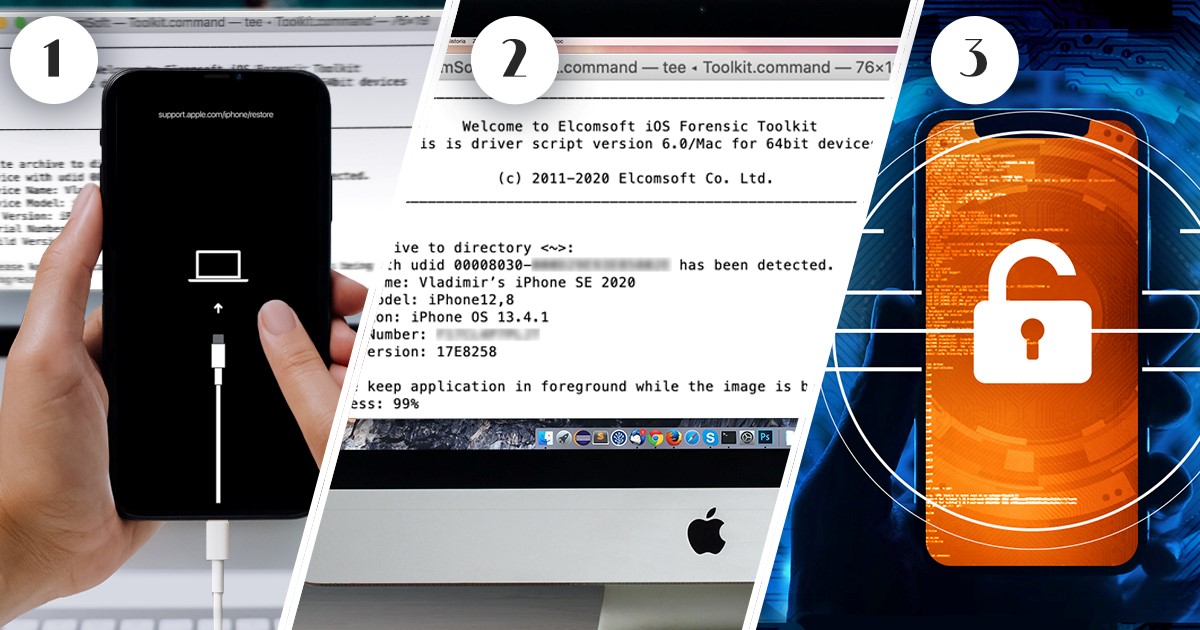
iOS Forensic Toolkit Tips & Tricks
July 17th, 2023 by Vladimir Katalov
For forensic experts dealing with mobile devices, having a reliable and efficient forensic solution is crucial. Elcomsoft iOS Forensic Toolkit is an all-in-one software that aids in extracting data from iOS devices, yet it is still far away from being a one-button solution that many experts keep dreaming of. In this article, we will walk you through the preparation and installation steps, list additional hardware environments, and provide instructions on how to use the toolkit safely and effectively.
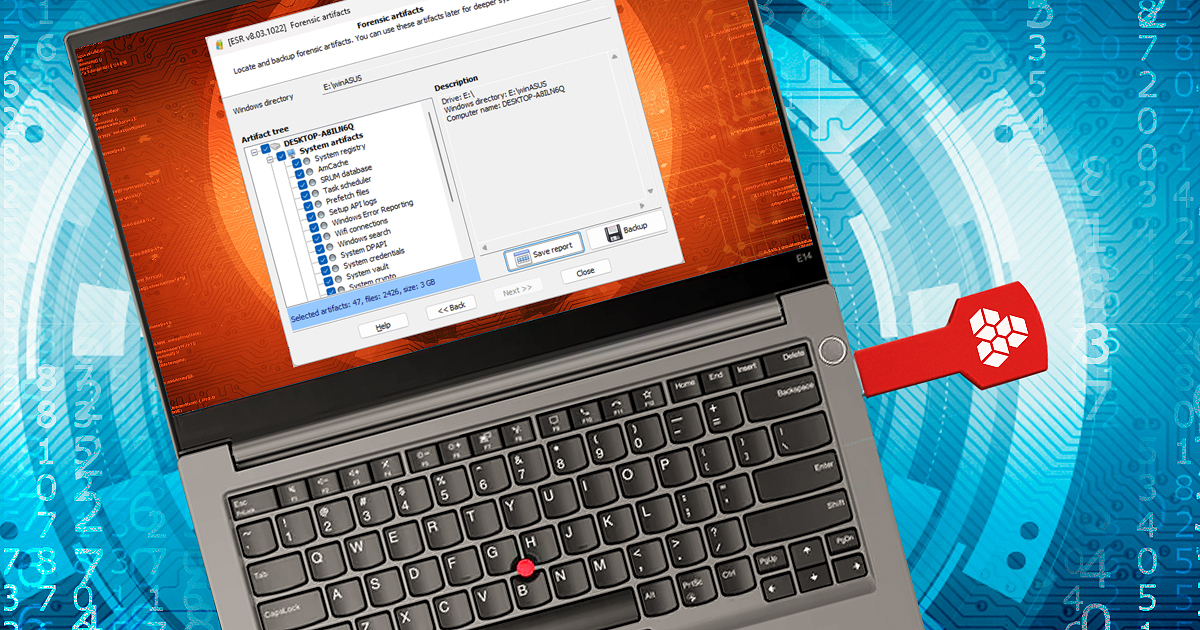
Accelerating Computer Forensics: Elcomsoft System Recovery and the Low-Hanging Fruit Strategy
July 14th, 2023 by Oleg Afonin
In the world of digital investigations, the sheer volume of data and the challenge of identifying valuable evidence can be overwhelming. Often, investigators find themselves faced with the need for optimization — the ability to quickly and seamlessly identify what is valuable and requires further examination. We aim to fulfill this need by introducing a new forensic toolkit in Elcomsoft System Recovery, a powerful bootable tool designed to speed up investigations, quickly identify and collect digital evidence right on the spot.

Pushing the Boundaries: Low-Level Extraction of iOS 16.4 with Keychain Decryption
July 10th, 2023 by Oleg Afonin
When it comes to iOS data acquisition, Elcomsoft iOS Forensic Toolkit stands head and shoulders above the competition. With its cutting-edge features and unmatched capabilities, the Toolkit has become the go-to software for forensic investigations on iOS devices. The recent update expanded the capabilities of the tool’s low-level extraction agent, adding keychain decryption support on Apple’s newest devices running iOS 16.0 through 16.4.

Low-level Extraction for iOS 16 with iPhone 14/14 Pro Support
June 30th, 2023 by Oleg Afonin
A while ago, we introduced an innovative mechanism that enabled access to parts of the file system for latest-generation Apple devices. The process we called “partial extraction” relied on a weak exploit that, at the time, did not allow a full sandbox escape. We’ve been working to improve the process, slowly lifting the “partial” tag from iOS 15 devices. Today, we are introducing a new, enhanced low-level extraction mechanism that enables full file system extraction for the iOS 16 through 16.3.1 on all devices based on Apple A12 Bionic and newer chips.

Open-Sourcing Raspberry Pi Software for Firewall Functionality: Secure Sideloading of Extraction Agent
June 19th, 2023 by Elcomsoft R&D
We are excited to announce the release of an open-source software for Raspberry Pi 4 designed to provide firewall functionality for sideloading, signing, and verifying the extraction agent that delivers robust file system imaging and keychain decryption on a wide range of Apple devices. This development aims to address the growing security challenge faced by forensic experts when sideloading the extraction agent using regular and developer Apple accounts.
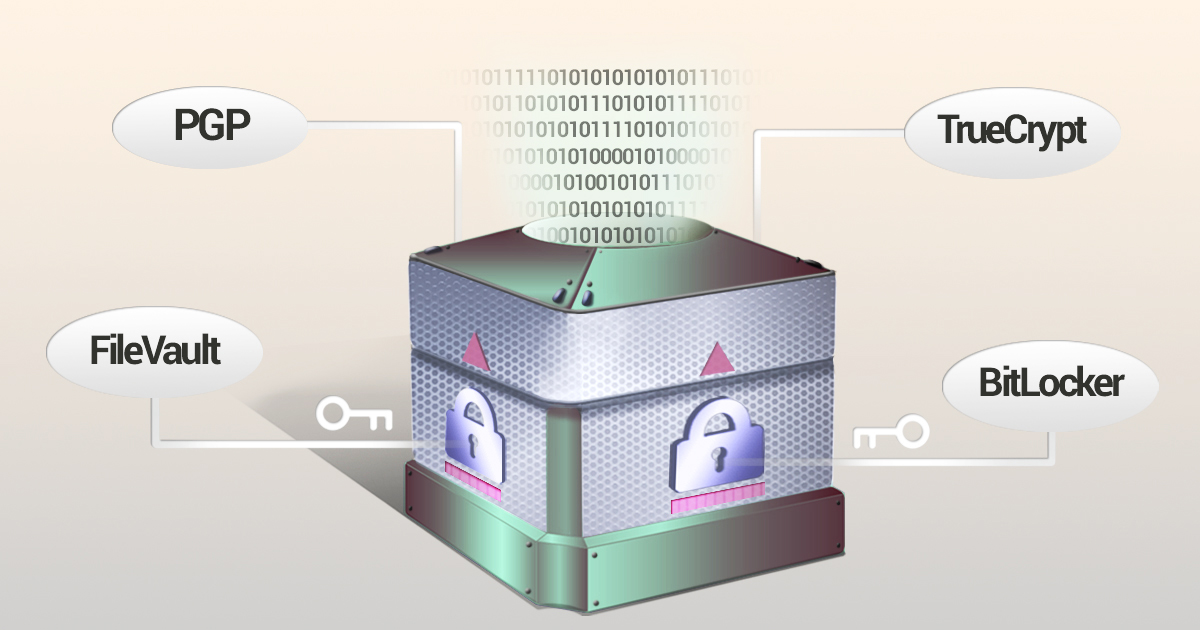
Safeguarding Digital Evidence: Don’t Shut It Down!
June 16th, 2023 by Oleg Afonin
In the digital age, where information is a precious commodity and evidence is increasingly stored in virtual realms, the importance of preserving digital evidence has become a must in modern investigative practices. However, the criticality of proper handling is often overlooked, potentially jeopardizing access to crucial data during an investigation. In this article, we will once again highlight the importance of meticulous preservation techniques and live session analysis to prevent the loss of digital evidence.

What Forensic Vendors Don’t Like To Tell Their Customers. Part 2
June 14th, 2023 by Vladimir Katalov
Year after year, the field of digital forensics and incident response (DFIR) presents us with new challenges. Various vendors from around the world are tirelessly striving to simplify and enhance the work of experts in this field, but there are some things you probably do not know about (or simply never paid attention to) that we discussed in the first part of these series. Today we’ll discuss some real cases to shed light onto some vendors’ shady practices.

What Forensic Vendors Don’t Like To Tell Their Customers. Part 1
June 13th, 2023 by Vladimir Katalov
The market of digital forensic tools is a tight one, just like any other niche market. The number of vendors is limited, especially when catering such specific needs as unlocking suspects’ handheld devices or breaking encryption. However, amidst the promises of cutting-edge technology and groundbreaking solutions, there are certain limitations that forensic vendors often don’t like to disclose to their customers. These limitations can have a significant impact on the applicability, effectiveness and reliability of the tools being offered.
Elcomsoft Lab: Benchmarking Password Recovery Speeds
June 9th, 2023 by Oleg Afonin
In the realm of password recovery, benchmarking the speed of attacks holds significant importance. It is a customary practice to gauge the speed of attacks on various data formats using diverse hardware configurations. These tests yield results that are visually represented through graphs clearly demonstrating the performance of our products. However, these graphical representations merely scratch the surface of a much broader scope. Today, we delve deeper into the objectives and methodologies behind our password cracking speed tests.


